-the Early Bands of Fort Dodge-
click image to enlarge
click image to enlarge
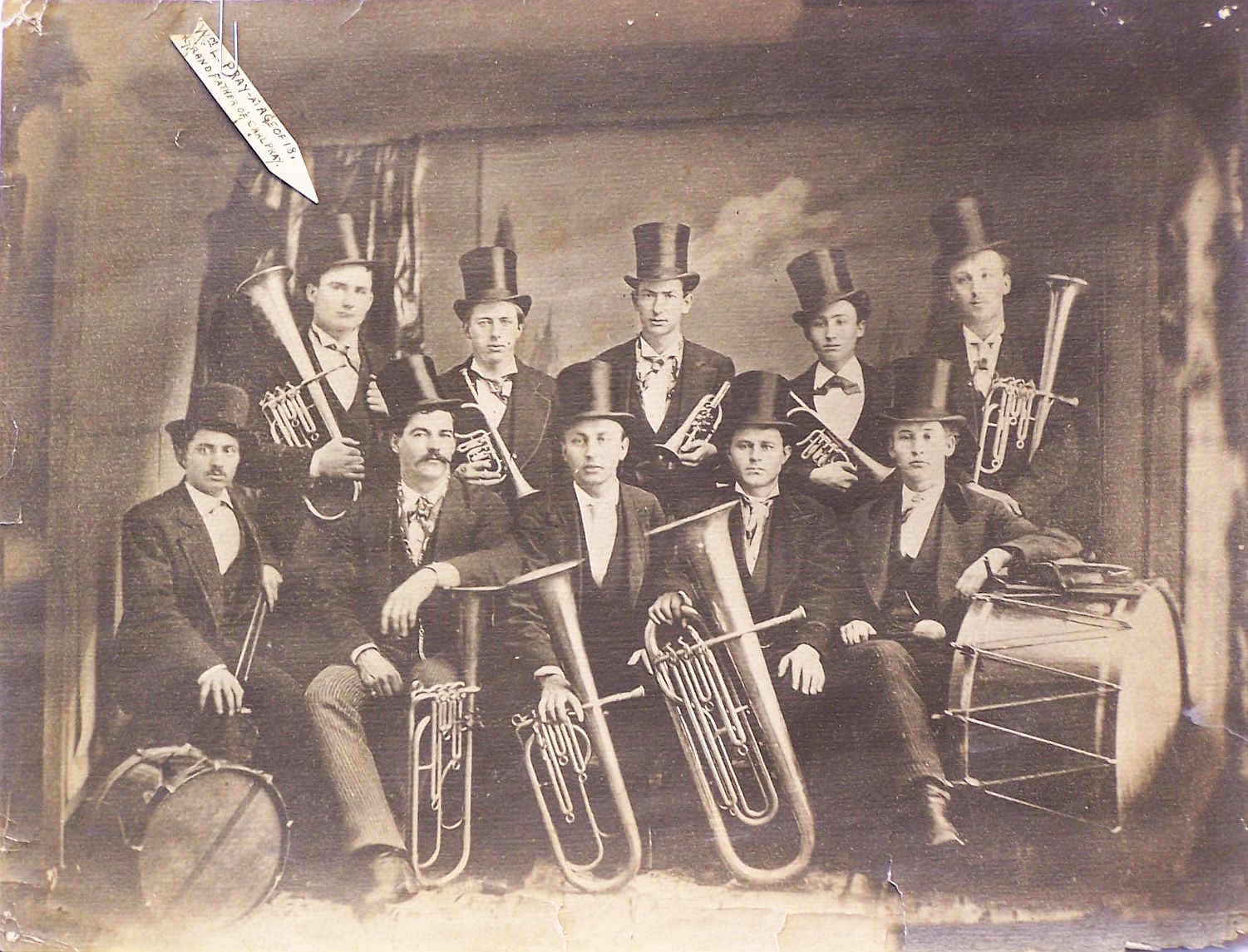
This is a very early Webster City band. One musician performing with this group was the tenor horn player William. L. Pray who moved to Fort Dodge after he was married in 1878. He was the first of three generations of Pray men who would have an important role in the bands of Fort Dodge. His son, Lou Pray, would be a trombone player and drum major for Carl Quist and for Karl King. And finally, William Pray's grandson, Carl Pray, would be the saxophonist and equipment manager for whom Karl King would dedicate his Samson March.
click image to enlarge
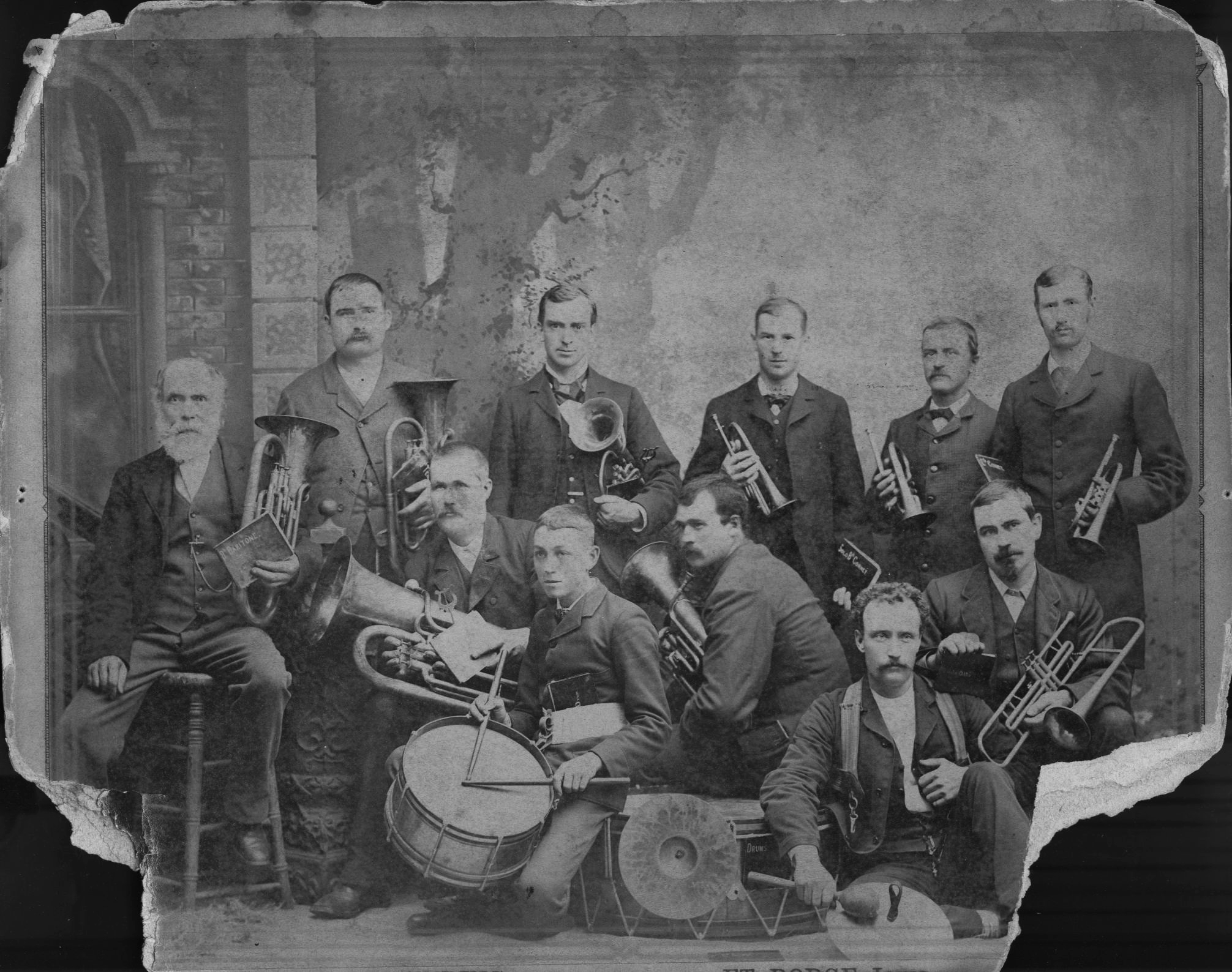
the first Fort Dodge band - 1882
The band's roster included leader E.I. Birmingham, who also played cornet, Oscar Olson, Ben Wolverton, James Tremening, George Parson, William L. Pray (baritone player back left), William Von Stein, Orvall Thorson, Marshal Young, Lee Porter, and William K. Marshal.
click image to enlarge
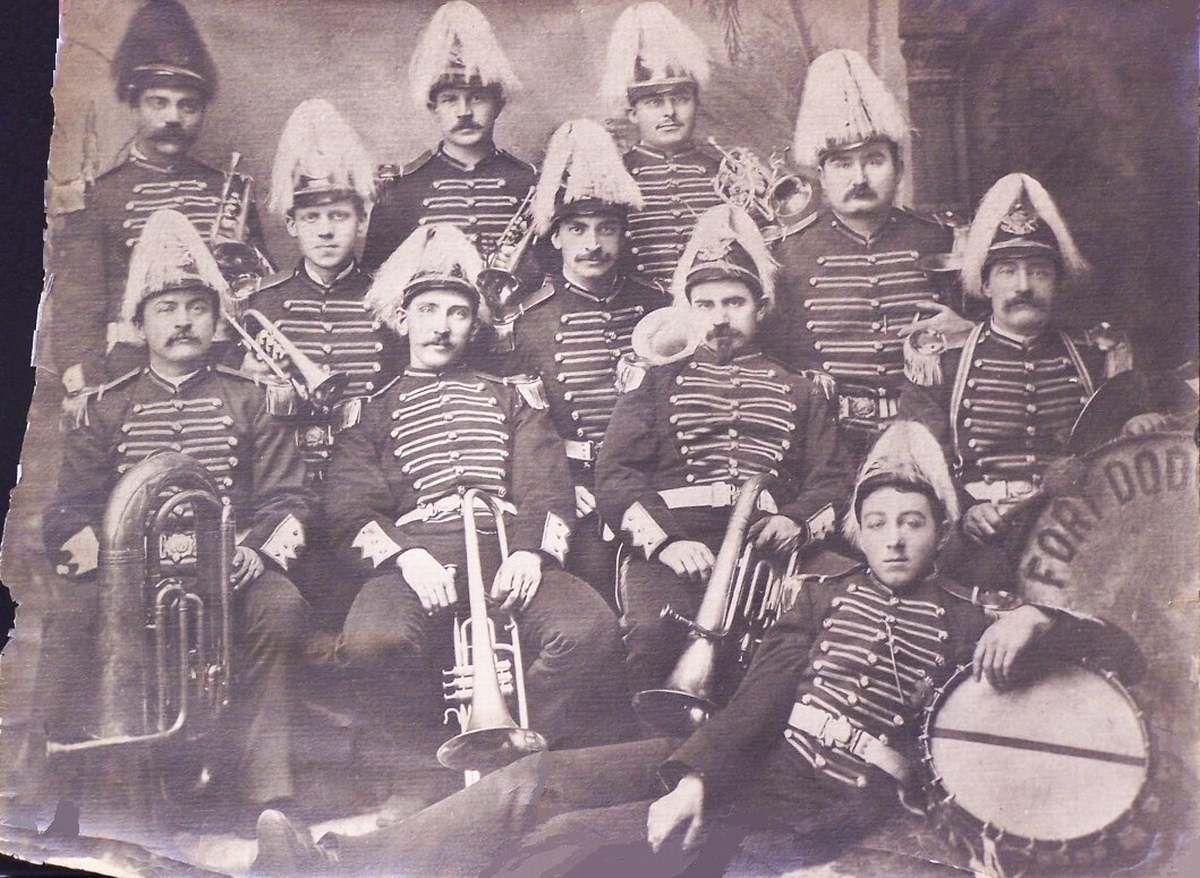
The Concordia German Band - late
1880s
Wm. L. Pray pictured upper right
Dressed in the newest of fashion, all of Fort Dodge turned out to hear the band play all the favorite hits of that day, especially applauding the Washington Post March and the Boston Tea Party March. The band presented a striking appearance when on parade or at concerts. Uniforms were of bright blue, and each man wore a helmet trimmed with a genuine ostrich plume. The leader's plume was red, the others were all white.
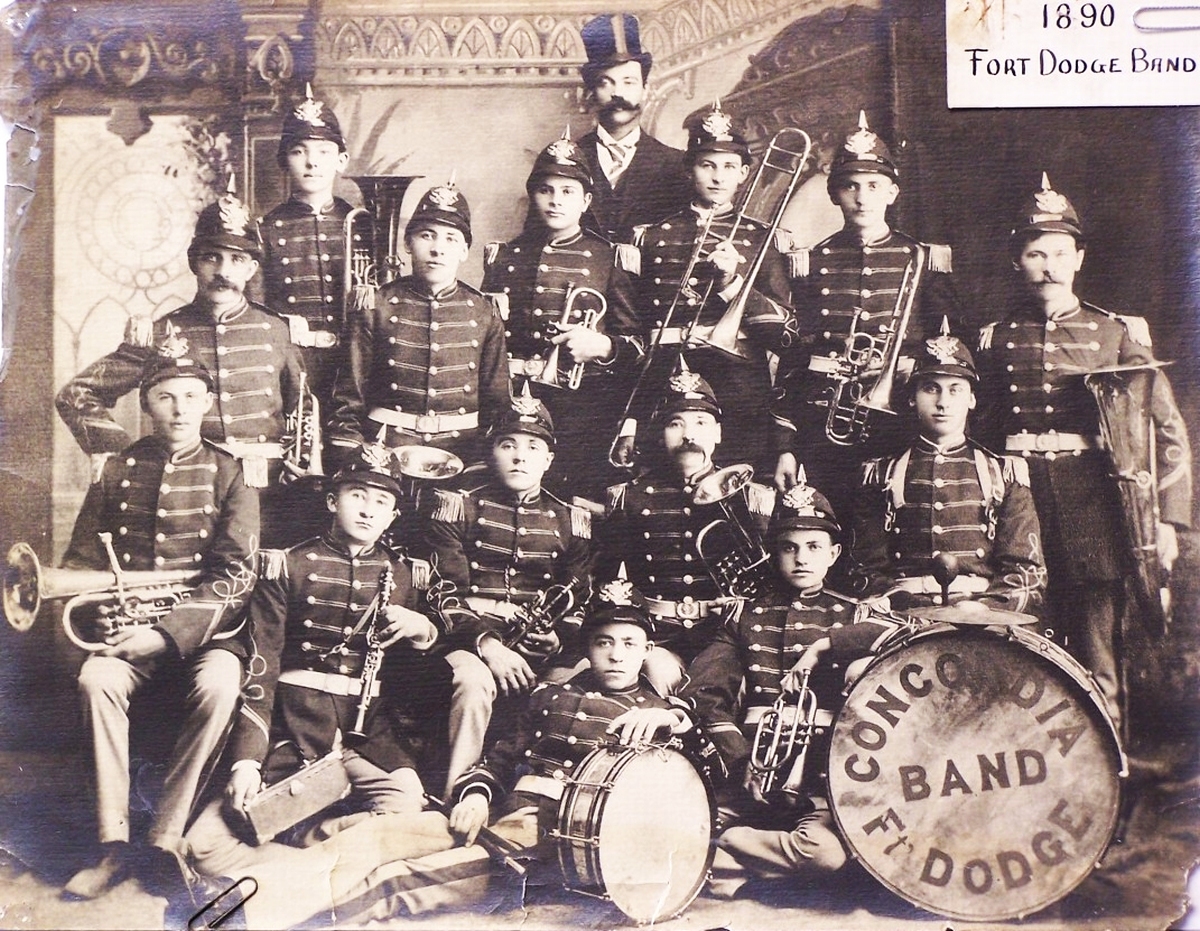
Concordia Band of Fort Dodge,
Iowa (from about 1890)
Thanks to Marie Engelbart
(Walt Engelbart's wife) for supplying these names
Front row from left: George Trost (holding sticks), Adolph Dittmer (cornetist leaning on bass drum)
2nd row: Frank E. Weiss (baritone), R.C. Beecher (E-flat clarinet), Chris Trost (cornet), ? Remsted (baritone), Chris Hahn (holding bass drum mallet)
3rd row: Louis D. Guenther (cornet), George Strobel (baritone), George Proeschold (on right with tuba)
4th row: Emil Daumler (baritone),
C. H. Habenicht (cornet), Otto F. Weiss, Fred Weiss (valve trombone)
In back wearing top hat: Phil
Becktel (?)
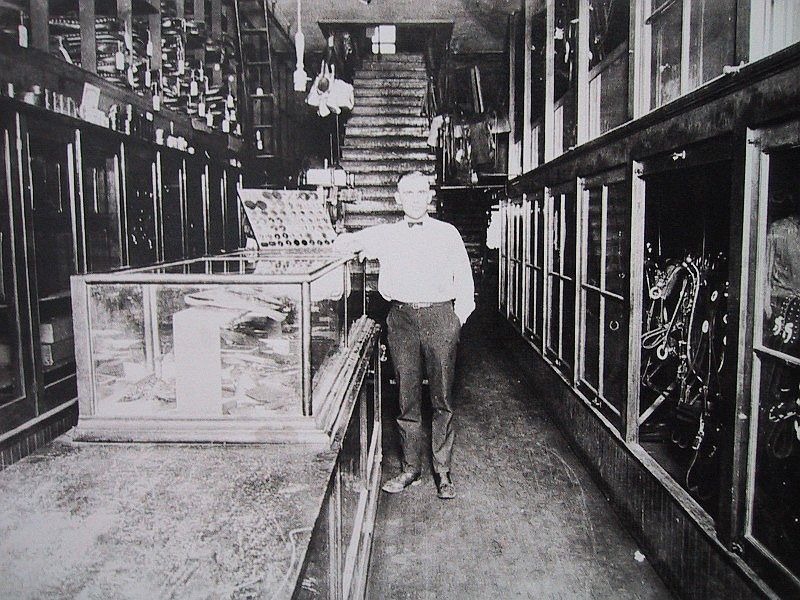
R. C. Beecher (in the second row) would someday marry and operate the harness shop which would eventually serve as a rehearsal hall for the Karl King Band when the proprietor was Mr. Beecher's son-in-law, Walt Engelbart.
click image to enlarge
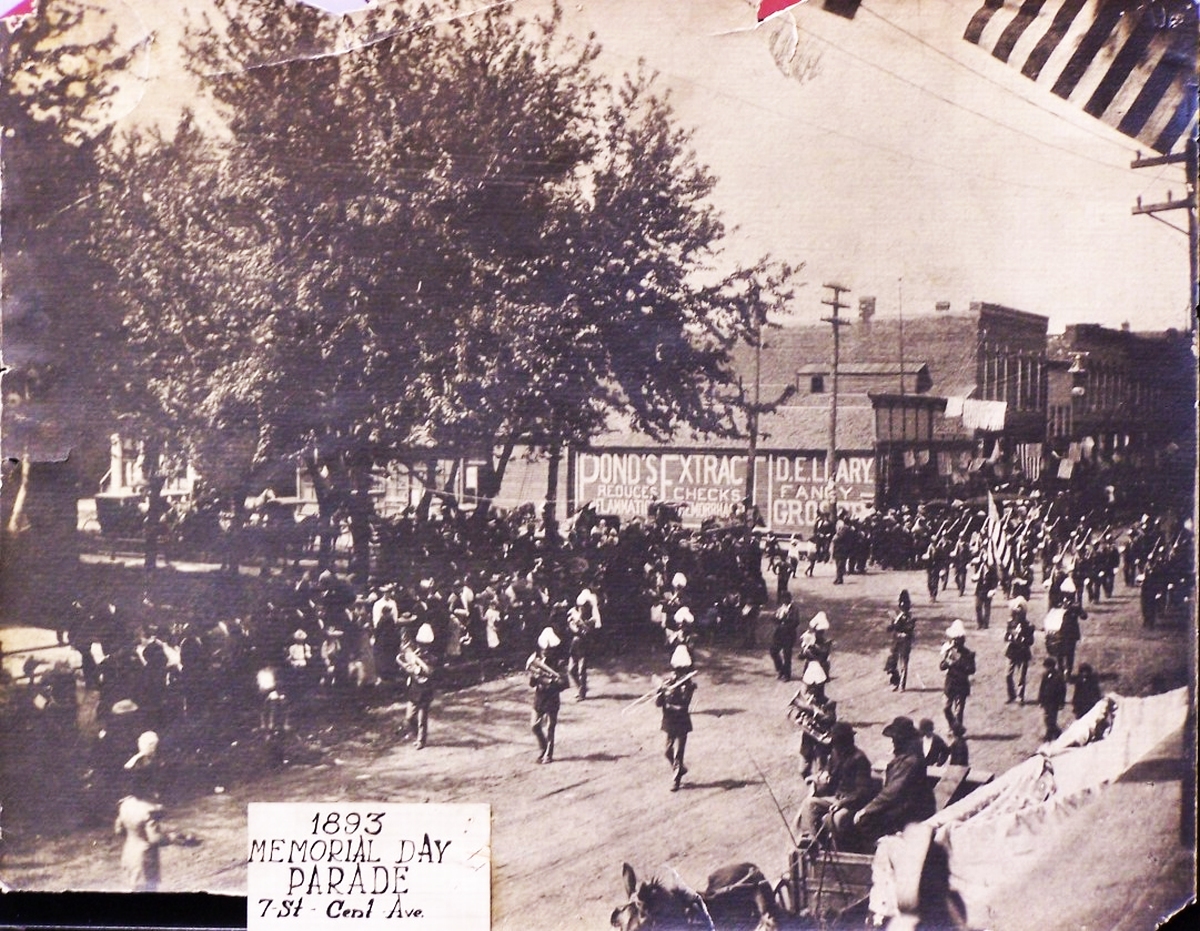
This photo shows the Concordia
Band in an 1893 Decoration Day parade
at the corner of 7th Street
and Central Avenue, Ft. Dodge.
click image to enlarge
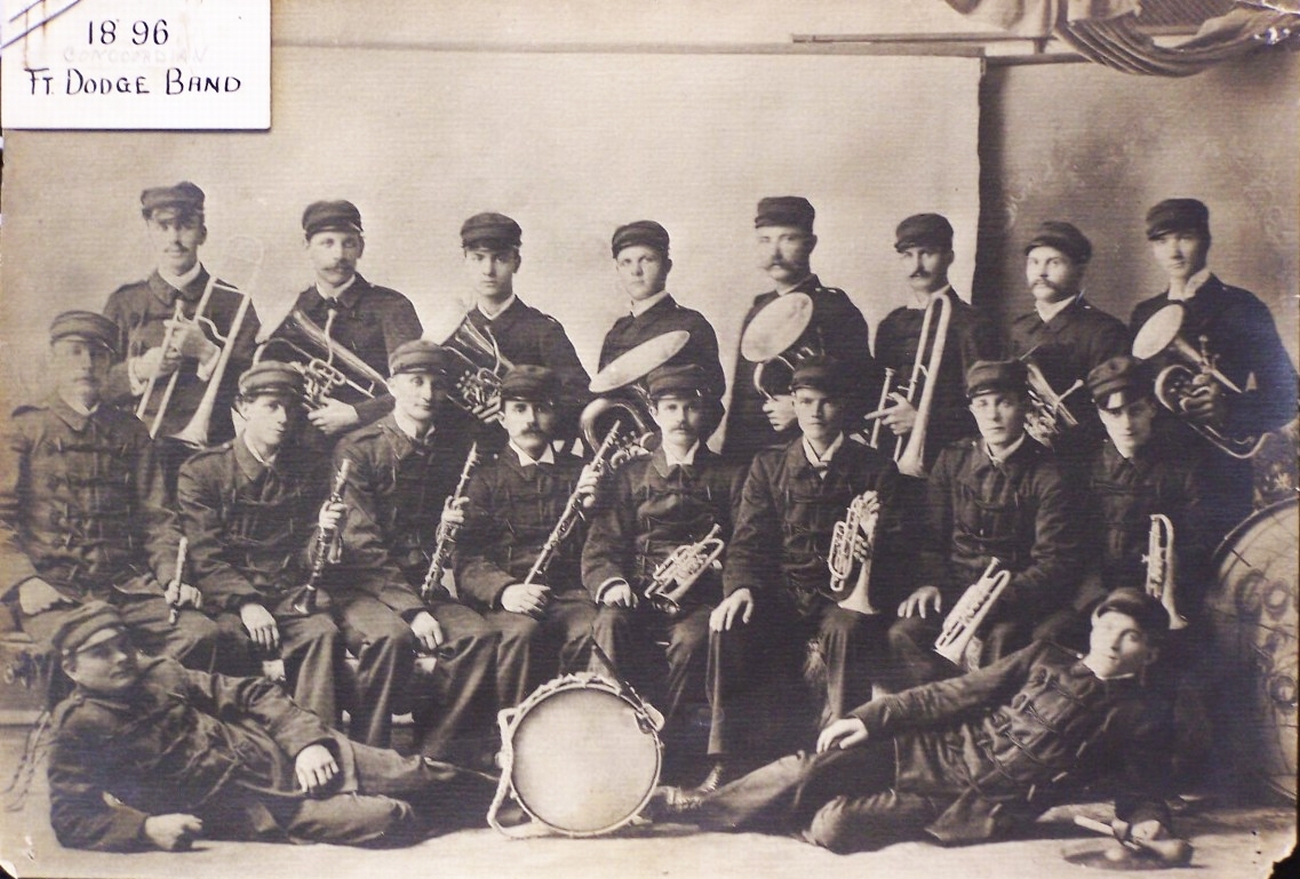
The Concordia Band in Fort Dodge, Iowa (about 1896 or 1897)
Joseph Kautzky, flute and piccolo player pictured here
at the left end of the second row,
had just moved to Fort Dodge when woodwinds were added
to the band.
R.C. Beecher is the clarinet player third from the
left, second row.
click image to enlarge
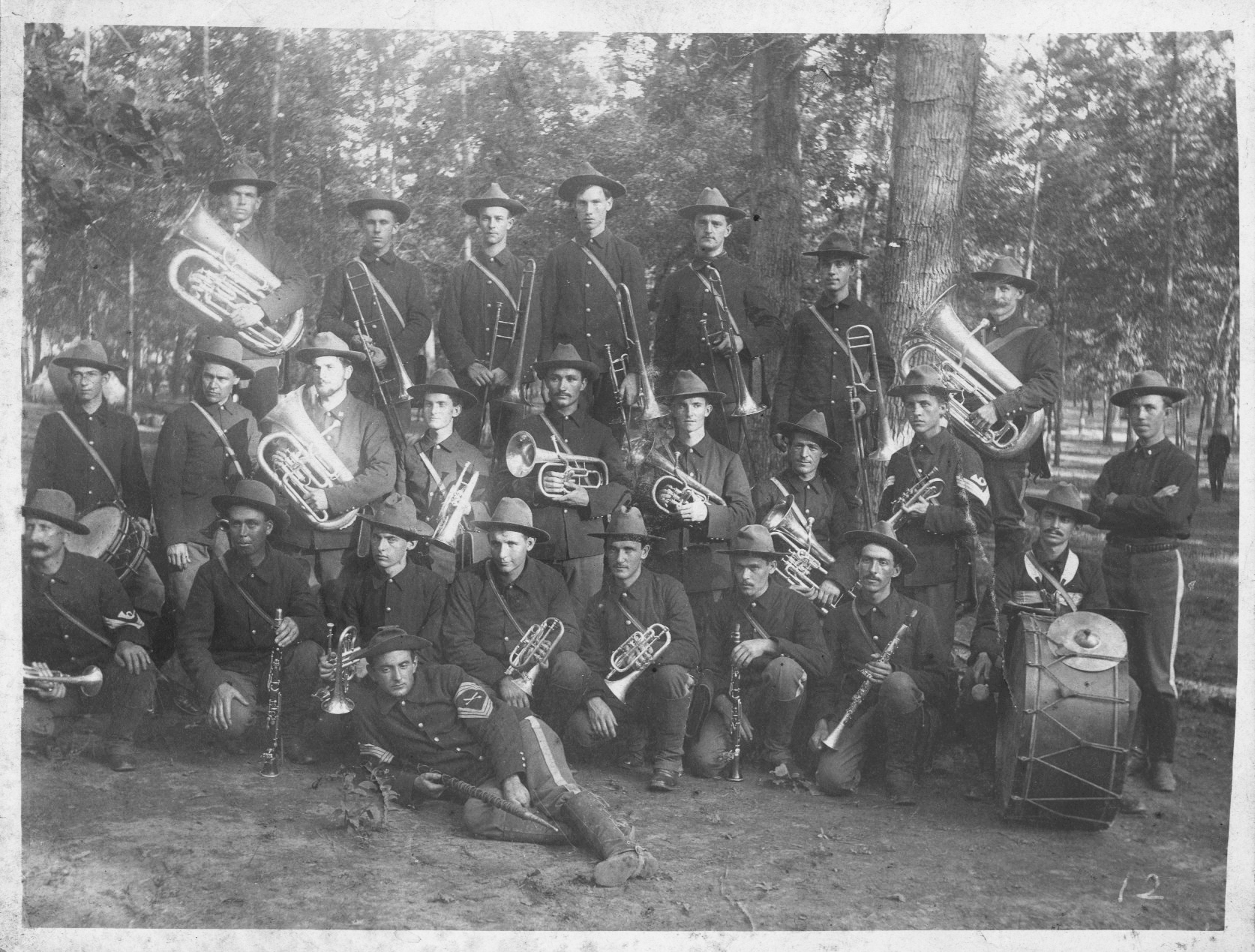
52 Iowa Regimental Band pictured at Chickamanga Park,
Tennessee
July 19, 1898.
This band consisted of Fort Dodge area men who were activated for the Spanish-American War. They had never played together before being sent to Tennessee, but it was said that they practiced five hours a day there. These men are unidentified except for the nineteen year old bass drummer, George W. Tremain.
| the Karl King Page |